

 See My Latest Article on HelloNation
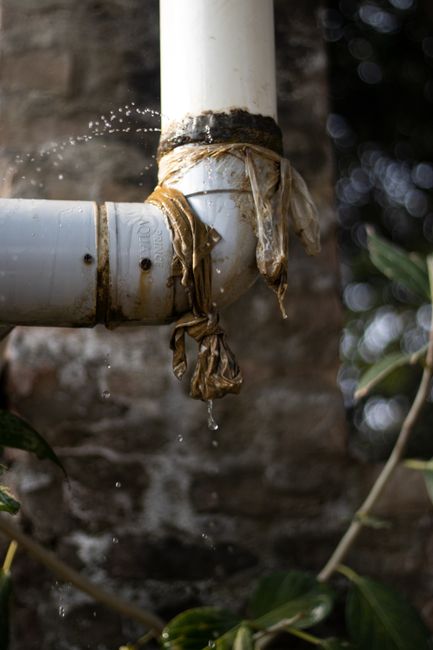
Living in Bixby, OK means preparing for several different sources of household water damage. Heavy thunderstorms can overwhelm gutters and drainage areas, while freezing weather can split exposed pipes. Inside the home, slow leaks under sinks, behind appliances, or around water heaters may cause damage long before anyone notices.
Preventing water damage is less about a single major project and more about routine inspections, seasonal preparation, and knowing how insurance typically treats different causes of loss.
What are the most common sources of water damage?
The most frequent problems come from plumbing leaks, roof and gutter issues, appliance failures, frozen pipes, and water entering from outside.
Common examples include:
- A supply line behind a washing machine or dishwasher bursts.
- A water heater tank begins leaking from corrosion or age.
- A refrigerator ice-maker line develops a slow drip.
- Leaves and debris block gutters, sending rainwater toward siding or the foundation.
- A roof penetration allows rain to enter around vents, chimneys, or flashing.
- A pipe freezes and breaks during an extended cold spell.
- A sump pump stops working during heavy rain.
- Water backs up through a drain or sewer line.
Some problems produce immediate flooding. Others may appear as stained drywall, warped flooring, musty odors, peeling paint, or unusually high water use.
How can gutters and grading reduce risk?
Keeping roof water away from the house is one of the most effective preventive steps. Gutters should carry water into properly positioned downspouts that discharge far enough away from the foundation to prevent pooling.
Inspect gutters at least twice a year and after major storms. Look for:
- Sagging sections or separated seams
- Rust, holes, or loose fasteners
- Downspouts that empty next to the foundation
- Water marks on exterior walls
- Soil erosion beneath roof edges
- Standing water near basement, crawl space, or slab areas
The ground around the home should generally slope away from the foundation. Low spots can collect runoff and allow moisture to reach walls, floor systems, or foundation joints. In neighborhoods with newer construction, landscaping changes over time can alter where water flows, even if the original drainage plan worked well.
Do not cover drainage problems with mulch or decorative soil without first determining where the water is going. Added material can sometimes direct water toward the home rather than away from it.
How should a roof be checked before storm season?
A roof does not need to be visibly collapsing to allow water inside. Small openings around flashing, vents, skylights, and roof edges can cause repeated interior damage.
From the ground, look for missing, cracked, lifted, or unusually dark shingles. Inside the attic, check for damp insulation, water stains, daylight through roof boards, or signs of mold. After severe wind or hail, inspect ceilings and upper walls for new discoloration.
Avoid climbing onto a wet or damaged roof. A roof inspection may require someone with appropriate safety equipment, especially when storm damage or structural instability is possible.
Tree limbs that hang over the roof can increase the chance of impact damage and clog gutters. Removing hazardous limbs before severe weather is safer than waiting until they fall.
What should homeowners do to prevent frozen pipes?
Freezing temperatures can damage pipes in exterior walls, unheated garages, crawl spaces, attics, and other poorly insulated locations. The risk is greater when cold weather lasts for several hours or when strong winds expose vulnerable plumbing.
Before a freeze:
- Disconnect and drain outdoor hoses.
- Shut off interior valves serving exterior faucets, when available.
- Insulate exposed pipes in unheated areas.
- Open cabinet doors beneath sinks on exterior walls so warmer air can circulate.
- Keep the home heated, even when away for a short period.
- Know where the main water shutoff is located.
If a faucet produces only a trickle during freezing weather, a pipe may be partially frozen. Do not use an open flame to thaw it. If a pipe bursts, shut off the water immediately if it can be done safely, then address electrical hazards and move belongings away from the water.
A slow leak may become much worse when the frozen section thaws, so check affected areas carefully after temperatures rise.
Which appliances deserve regular inspection?
Appliance hoses and water connections often fail without much warning. Washing machines, dishwashers, refrigerators, water heaters, and under-sink plumbing should be checked several times a year.
Look for bulges, cracking, rust, mineral buildup, moisture, or loose fittings. Replace worn hoses before they fail. Do not push appliances tightly against the wall if doing so places stress on supply lines or drain connections.
Water heaters deserve special attention. Rust around the tank, moisture near the pressure-relief valve, or water collecting beneath the unit can indicate a developing problem. A drain pan may help limit damage from a small leak, but it will not prevent a major release of water.
How can indoor leaks be found early?
A few minutes of inspection can reveal problems before they affect floors, cabinets, or walls. Check beneath sinks, around toilets, behind washing machines, near water heaters, and around HVAC equipment.
Watch for:
- Musty or damp smells
- Soft cabinet floors
- Bubbling paint
- Warped flooring
- Discoloration on ceilings or walls
- Mold-like spotting
- Water meters that continue running when all fixtures are off
An unusually high water bill can also signal a hidden leak. Toilets are frequent culprits because a worn flapper can allow water to run continuously without making much noise.
Consider installing leak-detection devices near water heaters, washing machines, and other vulnerable areas. These devices can provide an early warning, but they do not replace regular inspections or a working main shutoff valve.
Does homeowners insurance cover all water damage?
No. Coverage depends on the cause of the damage, the policy language, exclusions, endorsements, and whether the problem was sudden or developed gradually.
Many homeowners policies may cover sudden accidental discharge from a plumbing system or appliance, subject to the deductible and policy conditions. They commonly exclude long-term seepage, repeated leakage, wear and tear, deterioration, and maintenance problems.
Flooding is generally treated differently. Water entering from outside because of rising or overflowing water may require separate flood insurance. A standard homeowners policy usually does not cover flood damage, even though it may cover certain types of sudden interior water damage.
Backup from a sewer or drain may also require an added endorsement. Coverage can vary significantly, so reviewing the declarations page and endorsements before a loss is more useful than assuming every water event is covered.
What should be documented before a water loss?
Keep photographs or video of major rooms, valuable belongings, appliances, utility areas, and finished surfaces. Record model numbers and serial numbers where practical. Store copies of the policy, inventory, and maintenance records somewhere protected from water and fire.
If damage occurs, take reasonable steps to prevent additional loss, such as shutting off water and moving undamaged belongings. Avoid unsafe electrical areas and do not enter contaminated water. Photograph the damage before cleanup when it is safe to do so, and keep receipts for emergency materials or temporary protective measures.
Prompt reporting matters because delays can allow mold, structural damage, and secondary losses to grow. The exact duties required after a loss are listed in the insurance policy.
When is immediate action necessary?
Water near electrical outlets, panels, appliances, or ceiling fixtures requires caution. Leave the area if there is a risk of shock, ceiling collapse, contaminated water, or structural instability.
A professional may be necessary when plumbing is inside a wall, sewage is involved, extensive mold is present, or the source of the leak cannot be located safely. Preventive maintenance is usually simpler and less disruptive than repairing hidden damage after water has spread through flooring, insulation, and wall cavities.